Source reference 10112702
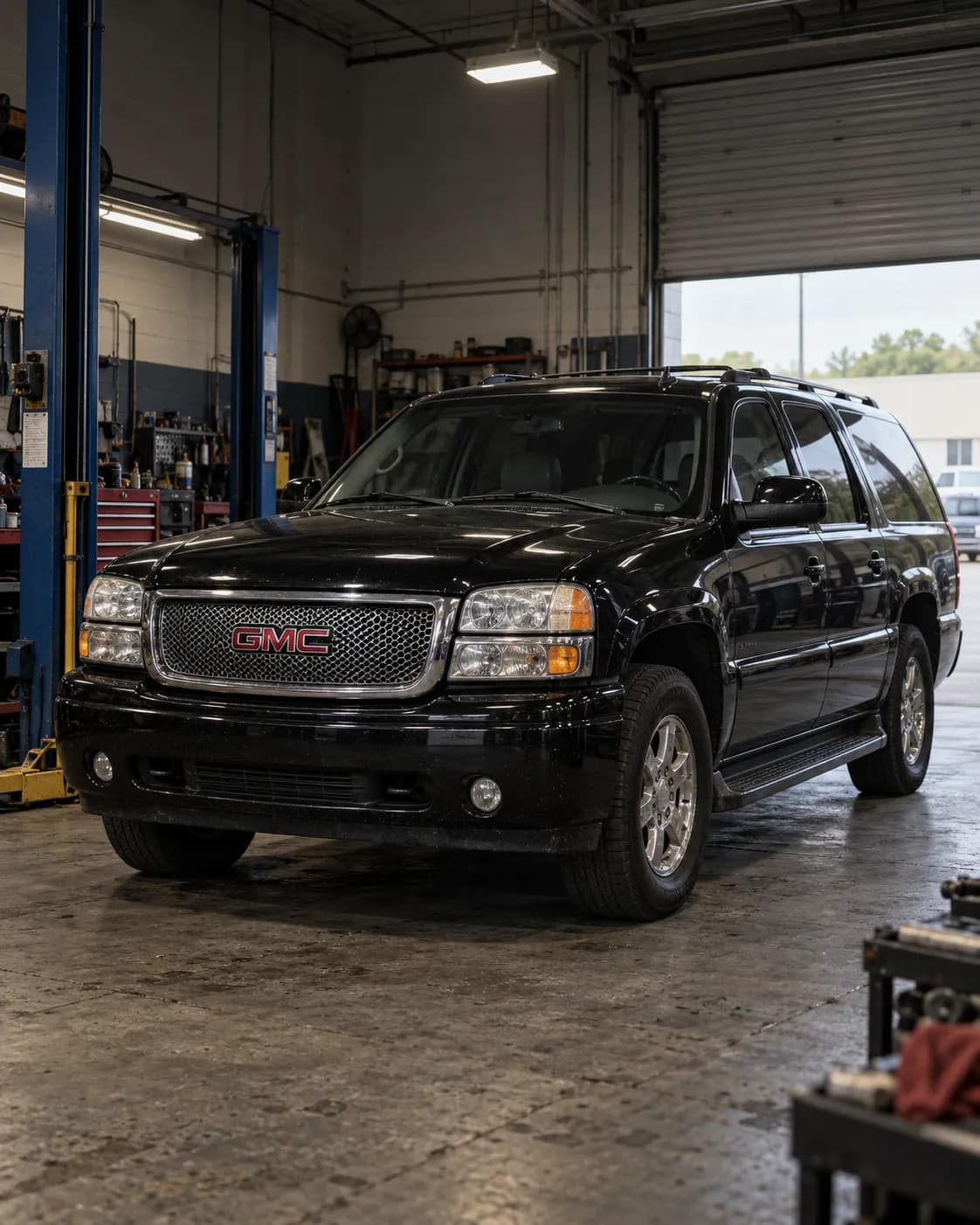
Manufacturer communication — 2006 GMC YUKON DENALI XL
Relation to the target vehicle
- The source's vehicle field includes the trim.
- Model year
- Match 2006 — Source vehicle field
- Model
- Match YUKON DENALI XL — Source vehicle field
- Trim
- Match Denali — Source vehicle field
What the manufacturer’s document says
PIP4138M ・ fault and correction ・ names this vehicle
Applies to
Applies to 1999-2013 GMC Savana, Sierra and Yukon (among many other listed GM models) with a V8 engine (note: the Yukon range runs to 2013).
the passage
1999-2013 GMC Savana, Sierra, Yukon
Fault
With the SES light on, the technician finds a P0300-P0308 DTC with misfires counting on a single cylinder that may or may not be felt, consistently or intermittently.
the passage
If the SES light is on, the technician will find a P0300-P0308 DTC with misfires counting on a single cylinder that may or may not be felt. This may occur consistently, or it may occur intermittently.
A verified noise is not eliminated by canceling fuel injectors and occurs at camshaft speed (half of crankshaft speed); it may be a chirp, squeak, squeal or tick and may increase off idle.
the passage
eliminated by canceling fuel injectors and the noise will occur at camshaft speed (half of crankshaft speed). The noise may be described as a chirp, squeak, squeal, or tick noise and may increase off of idle.
Finding the cause
Possible causes
When SI diagnosis does not isolate the cause, the document lists a worn camshaft lobe and/or lifter roller, a sticking valve, valve leakage, a broken valve spring, or a collapsed AFM (Active Fuel Management) lifter.
the passage
Worn camshaft lobe and/or lifter roller 2. A sticking valve 3. Valve leakage 4. A broken valve spring 5. A collapsed AFM (Active Fuel Management) lifter
Steps to confirm (in the document’s order)
Press a wooden hammer handle on the valve side, push rod side and side of each rocker arm during the noise; if pressure on the valve side changes the noise, a lifter and/or cam lobe concern on that cylinder is most likely.
the passage
Use a wooden hammer handle to apply pressure to the following locations of the rocker arms during the noise to determine which one is making noise: valve side, push rod side, and side of the rocker. If the noise is changed by applying pressure to the valve side of the rocker, this is most likely the result of a lifter and/or cam lobe concern on that cylinder.
Measure cam lobe lift at the push rod side of the rocker arm and compare with other rockers on the same bank; the misfiring or ticking cylinder should clearly have less lift if a lifter roller and/or cam lobe is worn.
the passage
Measure the cam lobe lift at the push rod side of the rocker arm. The lift in this location will differ from the SI specification but it should be similar as compared with other rockers on the same bank. The misfiring/ticking cylinder should obviously have less lift than the comparison cylinders if this is the result of a worn lifter roller and/or cam lobe.
If those tests do not isolate the cause, visually inspect the lifter rollers and cam lobes for flat spots, pits, grooves, scoring, gouging, flaking or rusting.
the passage
If the tests above do not isolate the cause of this concern, it may be necessary to visually inspect the lifter rollers and cam lobes for obvious damage, such as flat spots, pits, grooves, scoring, gouging, flaking, rusting, etc...
A good indicator of a sticking valve is engine misfires that continue to count on an aggressive deceleration with engine braking.
the passage
A good indicator of a sticking valve is if engine misfires continue to count on an aggressive deceleration with engine braking.
With the valve springs and seals removed from the misfiring cylinder, work each valve up and down in the guide while turning it 360 degrees; any binding means a stem to guide clearance concern to repair by SI procedures.
the passage
work the valve up and down in the guide while turning the valve 360 degrees. If any binding is felt, a stem to guide clearance concern exists and should be repaired by following SI procedures.
The Cylinder Leakage Test in SI should typically isolate valve leakage by finding excessive leakage past an intake or exhaust valve compared with the others.
the passage
Typically, the Cylinder Leakage Test outlined in SI should isolate valve leakage by finding excessive leakage past an intake or exhaust valve, as compared with others.
The two pieces of a broken valve spring can stay stacked together and be hard to see, so it may help to push lightly on different places on the springs with a small hammer handle.
the passage
Sometimes, the two broken pieces of the spring will remain stacked together so it may be hard to detect when visually inspecting them. As a result, it may help to lightly push on different places on the springs with a small hammer handle.
Correction
Repair
If a worn camshaft lobe or lifter roller is found, replace the camshaft and all lifters following SI procedures, and also replace the plastic lifter guide for the lifter with the damaged lobe or roller.
the passage
Follow SI procedures to replace the camshaft and all lifters if a worn camshaft lobe or lifter roller is found. Also replace the plastic lifter guide for the lifter that had the damaged cam lobe and/or lifter roller
If force is needed to tap the valve off its seat, excessive carbon build up exists, which may be repaired by decarboning the engine.
the passage
If you have to use force to tap the valve off of the seat, excessive carbon build up exists, which may be repaired by decarboning the engine.
Compiled by reading the full text of the document; each point stands on the passage shown. Check the document itself, linked below, before working on a vehicle.
Stated content
Communication summary
本予備情報通知は、Service Engine Soonマルファンクションインジケーターランプが点灯している、エンジンミスファイアおよび/またはエンジン音がある車両に関する情報を技術者に提供するものです。技術者はDTC P0300-P0308を検出する可能性があります。公開されたサービス情報の診断がこの症状の原因を特定できない場合、技術者はカムシャフトロブおよび/またはリフターローラーの摩耗、スタックしたバルブ、バルブリークgage、破損したバルブスプリング、および潰れたアクティブフューエルマネージメントリフターを点検する必要があります。 Machine translation (unreviewed)
This Preliminary Information communication provides information to the technician about vehicles that have a Service Engine Soon Malfunction Indicator Lamp on, engine misfire, and/or engine noise. Technician may find Diagnostic Trouble Codes P0300-P0308. If published Service Information diagnostics does not isolate the cause of this concern technician should check for a worn camshaft lobe and/or lifter roller, a sticking valve, valve leakage, a broken valve spring, and a collapsed active fuel management lifter.
Go to this passage in the original
Source
- Source
- NHTSA Manufacturer Communications
- Source reference
- 10112702
- Received by source
- 2017-08-15
- Incident date
- Unknown
Open original text and sourceOpen the provider's page (external)