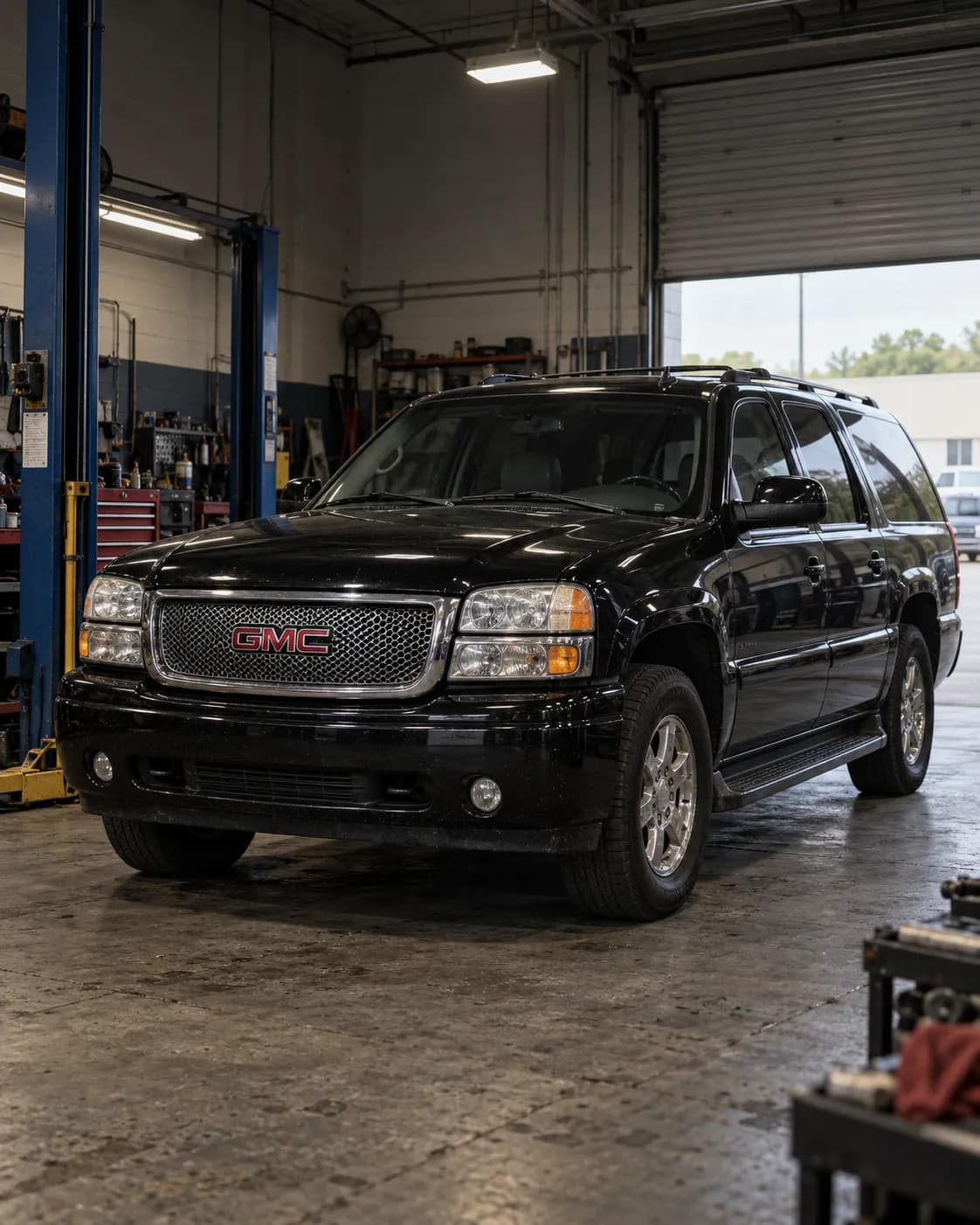
Source reference 10113657
Manufacturer communication — 2006 GMC YUKON DENALI XL
Relation to the target vehicle
- The source's vehicle field includes the trim.
- Model year
- Match 2006 — Source vehicle field
- Model
- Match YUKON DENALI XL — Source vehicle field
- Trim
- Match Denali — Source vehicle field
What the manufacturer’s document says
00-06-01-026F ・ information ・ for GM vehicles in general
Applies to
Applies to 2016 and prior GM passenger cars and trucks.
the passage
2016 and Prior GM Passenger Cars and Trucks
Finding the cause
Possible causes
Broken pistons and/or bent, broken or missing intake valves may have discharged engine debris into the intake manifold.
the passage
The internal engine damage may have resulted in the potential discharge of internal engine component debris into the intake manifold via broken pistons and/or bent, broken, or missing intake valves.
The complex runner and plenum shape of most intake manifolds makes thorough cleaning difficult and complete debris removal nearly impossible to verify.
the passage
This replacement is required due to the complex inlet runner and plenum configuration of most of the intake manifolds, making thorough and complete component cleaning difficult and nearly impossible to verify the complete removal of debris.
Steps to confirm (in the document’s order)
After removing the intake manifold, inspect all cylinder head intake ports to see whether the valve heads are still present and not bent.
the passage
After removing the intake manifold from the engine, the technician MUST carefully inspect all of the cylinder head intake ports to see if the valve heads are still present and not bent.
When valve heads are missing or sufficiently bent, engine debris is usually present to varying degrees in the intake port of the cylinder head.
the passage
Usually when the valve heads are missing or sufficiently bent, internal engine component debris will be present to varying degrees in the intake port of the cylinder head.
Correction
Repair
If debris is present in any cylinder head intake port, replace the intake manifold.
the passage
If this debris is present in any of the cylinder head intake ports, the intake manifold should be replaced.
Caution
When an engine is replaced for internal damage, take extreme care when transferring the intake manifold to the new service engine long block.
the passage
When replacing an engine due to internal damage, extreme care should be taken when transferring the intake manifold to the new Genuine GM Part service engine long block.
Reinstalling a manifold taken from an engine with debris deposits may let remaining debris be ingested into the new service engine.
the passage
Reinstallation of an intake manifold removed from an engine with deposits of internal engine component debris may result in the ingestion of any remaining debris into the new Genuine GM Part service engine.
Compiled by reading the full text of the document; each point stands on the passage shown. Check the document itself, linked below, before working on a vehicle.
Stated content
Communication summary
本情報通知は、エンジン内部の重度破損後のインテークマニホールド点検・交換に関する情報をテクニシャンに提供します。 Machine translation (unreviewed)
This informational bulletin provides information to technicians regarding intake manifold inspection/replacement after severe internal engine damage.
Go to this passage in the original
Source
- Source
- NHTSA Manufacturer Communications
- Source reference
- 10113657
- Received by source
- 2017-08-15
- Incident date
- Unknown
Open original text and sourceOpen the provider's page (external)